
Vaccines

What Protection Does My Pet Need?

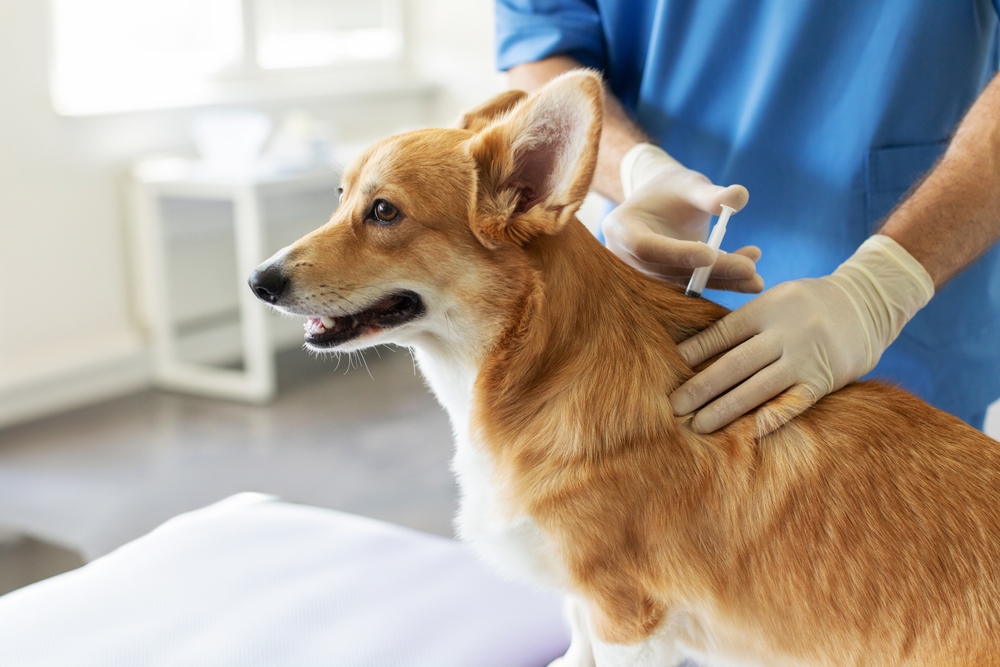
Our vaccines protect your pet from serious, contagious diseases, some of which can be fatal or spread to people. Staying current is one of the simplest ways to keep your companion safe.

Core shots for dogs cover rabies, distemper, parvovirus, and adenovirus, while cats need protection against rabies, panleukopenia, calicivirus, and herpesvirus. Lifestyle-based options, such as Bordetella, leptospirosis, or feline leukemia, depend on exposure risk.

Young animals receive a series of boosters, followed by regular updates throughout adulthood. Side effects are rare and usually mild, and we’ll monitor your companion after each

Request Appointment

How Often Should My Pet Be Vaccinated?

Puppies and kittens receive shots every 3 to 4 weeks, starting at about 8 weeks old and continuing until around 16 weeks.

Adult pets typically need yearly boosters for some protections, while others, such as rabies, may be given every 1 to 3 years depending on local laws and the product used.

Are Vaccines Safe for My Pet?

These treatments undergo rigorous safety testing. Side effects are uncommon but may include mild lethargy or soreness at the injection site. Severe allergic reactions are rare. Your pet’s health will be evaluated beforehand to help minimize risks.

Why do puppies and kittens need multiple vaccine doses?

Young animals have developing immune systems, and maternal antibodies can interfere with vaccines. Multiple doses ensure strong immunity as these antibodies fade, providing full protection by 16 weeks.

Can my pet skip vaccines if they stay indoors?

Indoor pets still need core protection because diseases like rabies and feline distemper can spread through unexpected exposure, such as bats or contact with people. Additional immunizations are optional and depend on your pet’s individual risk.

What happens if my pet misses a booster shot?

A missed booster may weaken immunity, increasing disease risk. Your vet may recommend restarting the vaccine series or adjusting the schedule based on your pet’s age, health, and vaccine history.

What Side Effects Should I Watch for After Vaccination?

Common side effects include mild swelling, fever, or lethargy for 1-2 days. Contact your vet immediately if you notice severe symptoms like vomiting, facial swelling, or difficulty breathing, which may indicate an allergic reaction.

Can My Pet Be Vaccinated If They’re Sick?

Vaccinations are usually delayed if your pet is ill, as their immune system may not respond effectively. Your veterinarian will assess and reschedule necessary vaccines when your pet is healthy.

Do Vaccines Protect Against All Diseases?

Each immunization targets specific diseases but doesn’t prevent all illnesses. Regular checkups, parasite control, and a healthy lifestyle remain essential for your pet’s overall health.

Can My Pet Get Sick From a Vaccine?

Vaccines rarely cause illness, as they use weakened or inactivated pathogens. However, some pets may experience mild, temporary symptoms like fever or lethargy as their immune system responds.

What is the difference between core and non-core vaccines?

Core shots are essential for every pet because diseases like rabies and distemper are widespread. Non-core options depend on lifestyle, such as Bordetella for dogs who visit kennels or feline leukemia protection for outdoor cats.

How Soon After Vaccination Is My Pet Protected?

Most vaccines take 1-2 weeks to build immunity. For multi-dose series, full protection may not occur until after the final dose. Keep your pet away from high-risk areas during this period.

Can older pets skip vaccinations?

Older pets may need fewer boosters, but core vaccines like rabies are still required by law in many areas. Your veterinarian will assess your senior pet’s health to determine an appropriate schedule.

Can my pet be vaccinated during pregnancy?

Vaccinations are generally avoided during pregnancy to prevent stress or potential risks to the fetus. Your veterinarian may recommend vaccinating before breeding or after the pregnancy.

Do vaccines cause allergies in pets?

Allergic reactions to vaccines are rare but possible. Symptoms include swelling, hives, or breathing issues. Your veterinarian can use antihistamines or adjust protocols for sensitive pets.

Why is the rabies vaccine legally required?

Rabies is a deadly virus transmissible to humans and other animals. Many regions mandate rabies vaccination to protect public health and prevent outbreaks.

Can my pet get vaccinated if they have a chronic condition?

Pets with chronic conditions can often be vaccinated, but your vet will evaluate their health to ensure safety. Some conditions may require modified schedules or specific vaccines.

Keep Your Companion Protected With Our Vaccines

Our vaccines give your pet reliable protection against serious diseases. We’ll recommend a schedule based on their age, lifestyle, and risk. Book an appointment with Pet Depot Veterinary Group today.

For personalized guidance, schedule an appointment with our veterinary team!